
Macros 101: What They Are and How to Make Them Work for You


Food shouldn’t feel like the enemy when you're building your best body. Let’s break down what macros are and how to make them work for fat loss, muscle gain, and performance.
Protein seems to be everywhere these days. The most recent recommendations suggest that active adults need 1.2-1.6 grams of protein per kilogram of body weight per day. This is about 0.54 to 0.72 grams per pound of body weight daily.

Before that, it was all about fats – remember the “fat-free this, fat-free that” era? Then came the keto diet and the carb-free trend.
Even if you’re not chasing every nutrition trend, macros aren’t just a buzzword. When you understand macros, you stop guessing and start fueling with purpose. Protein, carbs, and fats aren’t trends – they’re tools. Tools that deliver results when balanced – not cut out.
What are macros?
"Macros" is short for macronutrients – the three nutrients your body needs. Every bite you take has one (or more) of these three key players: carbohydrates, protein, and fat.
Think of macros as the building blocks of your nutrition strategy. Most meals combine two or all three macronutrients, and the right macro balance depends on your goals.
“For an average person trying to lose weight, you want to do high protein, moderate carbs, and low fat. It's the healthiest for your internal organs," says Ariana Hakman, co-founder of LunaFit App.
Weight loss doesn’t have to be your main goal to track macros. Tracking macros supports almost any fitness or wellness goal. When your macro balance supports your activity level and goals, you’re more likely to improve performance, preserve lean muscle, and recover efficiently.
What Do Macros Do?
Each macronutrient – protein, carbohydrates, and fat – plays a specific and essential role in your body. Your macro balance directly affects how you perform in workouts, how fast you recover, and how energized you feel.
Understanding what macros do is the first step toward making meals that actually work for your goals, not stall progress.
Protein: The Building Crew
Every cell in your body relies on protein. It provides the nine essential amino acids your body can’t make on its own.
Protein is critical for building and maintaining muscle, bone, skin, hair, and other tissues. It’s especially important if you train regularly or are in a calorie deficit.
Protein helps you:
Build muscle
Repair tissues and improve post-workout recovery
Support hormones and metabolism
Slow age-related muscle loss
Reduce cravings and keep you feeling fuller longer
When it comes to protein, variety matters. The best animal sources of protein include eggs, poultry, seafood, and red meat. Plant sources like beans, lentils, soy, nuts, and seeds work well too.

Pro Tip: Include protein in every meal, and mix both animal and plant sources to keep your diet balanced.
Carbs: The Fuel Crew
Carbohydrates are your body’s primary energy source. If protein builds the body, carbs power it.
“Carbs are your friends,” says Rich Hakman, co-founder of LunaFit App. “If you cut all your carbs out, your workouts are very hard to get through.”
They fuel your brain, support your nervous system, and provide energy for workouts and daily activity.
Carbohydrates help:
Provide energy for the brain and nervous system.
Fuel muscles during daily activities and exercise.
Support endurance and performance in workouts.
Maintain stable blood sugar (especially when paired with fiber and protein).
Preserve protein for muscle repair and growth.
Variety in carb sources is key, just like with protein. Different carbs offer unique nutrients and benefits. Common sources: grains, fruits, beans, starchy veggies.

Pro Tip: For most people, having carbohydrates 30-60 minutes before a workout can improve energy, endurance, and performance – especially during higher-intensity training.
Fats: The Support Crew
Fats are often misunderstood, but they’re essential when balancing your macros. Healthy fats support hormone production, brain function, and nutrient absorption.
Your body also uses fat as a long-term energy source, especially during lower-intensity and long-duration activities.
Dietary fats help:
Support hormone production (including testosterone and estrogen)
Aid in vitamin absorption (A, D, E, and K)
Protect organs and support brain health
Promote satiety and reduce overeating
Provide sustained energy
Healthy fats come from sources like avocados, fatty fish, olive oil, nuts, chia, and flax seeds.

Pro Tip: Focus on unsaturated fats most of the time (olive oil, nuts, seeds, fatty fish), and limit excessive saturated fat, especially from highly processed foods.
How to Make Macros Work for You
Once you understand what macros are, the next step is to put them to work. Your ideal macro split depends on your unique calorie needs, training frequency, and overall goal.
Whether it’s weight loss, muscle gain, or maintenance, you’d need to tailor your macro balance.
Define Your Goal: Weight Loss, Muscle Gain, or Maintenance
Before diving into numbers, start by defining your goal. Knowing what you want to achieve makes it easier to adjust your macros as you go.
Goal | Macro Focus |
Weight Loss | High protein, moderate carbs, lower fats |
Muscle Gain | High protein, higher carbs, moderate fats |
Maintenance | Balanced protein, carbs, and fats |
Pro Tip: If you’re not sure where to begin with your nutrition plan, the 40/30/30 split is a smart, balanced starting point.
Remember, no single macro ratio is perfect for everyone. But if you’re looking for a sustainable, evidence-based foundation, 40/30/30 is a proven place to start.
Start Counting Your Macros
Once you know your goal, it’s not enough to just start eating – you need to know how much to eat. “High” protein or “moderate” carbs means something different for everyone. That’s where calories come in, and yes, this can feel confusing at first.
The basic rule:
Weight loss? Create a calorie deficit.
Muscle gain? Eat more (surplus).
Maintenance? Match your energy intake.
That’s where tools like the LunaFit App come in helpful. When you track your macros, you see exactly how protein, carbs, and fats fit into your daily intake. Your nutrition supports your workouts instead of working against them.
Macros vs Calories: What Do We Count?
The short answer is: both! Calories tell you how much energy you’re taking in, while macros tell you where that energy comes from – protein, carbs, or fats.
Think of it like shopping with a budget: calories are your total money, and macros are how you spend it.
Each macro “costs” calories:
Protein: 4 calories per gram
Carbs: 4 calories per gram
Fat: 9 calories per gram
By “spending” your calories wisely across protein, carbs, and fats, you can hit your goals while fueling your body properly. So, it’s not just about quantity, it’s also about food quality.

Pro Tip: Calculate calories first and then apply macro mix based on your goals (i.e. weight loss, muscle gain, or weight maintenance).
Translate Calories Into Macros
Once you have your daily calorie number, it's time to turn it into actual macro targets in grams. This is where your fitness goals really set the direction.
Let’s apply the 40/30/30 macro split for someone with a 1,500-calorie goal:
Macro | % of Calories | Calculation | Grams |
Carbs | 40% | 1,500 × 0.4 ÷ 4 | 150g |
Protein | 30% | 1,500 × 0.3 ÷ 4 | 112g |
Fat | 30% | 1,500 × 0.3 ÷ 9 | 50g |
This fuels your day right while keeping things realistic and doable. Adjust up based on your needs!
Your Macro Counting Questions Answered
Congrats – you’ve made it to the end of Macro 101! Feeling a little confused is totally fine. Macro tracking takes practice and consistency, but here’s a short guide to answer the questions you probably have next.
Do I Have to Count Calories and Track Macros Forever?
No! Tracking your food is a tool, not a lifelong chore. Most people use it temporarily to learn portion sizes, understand their macro balance, and build healthy habits. Over time, you’ll naturally get a sense of what your body needs without weighing everything. The LunaFit App can help you track in the beginning and gradually make it second nature.
What if I Fail to Hit My Macro Goals 100%?
Don’t stress! What matters most is consistency over perfection. Some days will be higher or lower in certain macros, and that’s completely normal. Tracking gives you a guideline, not a rulebook. Small fluctuations won’t derail your progress unless you have very specific goals, such as competition prep. Then it’s a whole different game.
How to Track Macros When Eating Out?
Eating out doesn’t have to break your macro plan. Focus on enjoying your time out. You can still make choices that support your goals, like grilled protein, whole grains, and vegetables. Macro tracking is a tool, not a rule, so don’t let it steal the fun. Enjoying your meals is just as important as hitting your targets.
Ready to Stop Guessing Your Macros?
If you decide to track your macros, consistency matters more than perfection. Your macro targets should support your training, recovery, and long-term progress – not create stress around food.
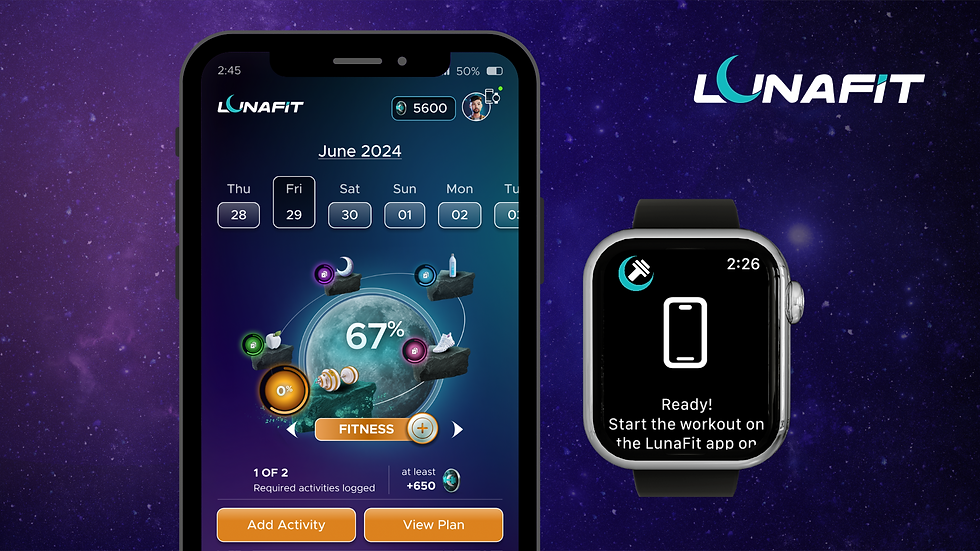
At LunaFit, we built the only app that cares about you. The LunaFit App helps you estimate and adjust your macros based on your goals and activity level, so you’re not guessing. Over time, tracking becomes less about numbers and more about knowing how your body responds.
Download LunaFit in the App Store or Google Play and enjoy your fitness journey.


Comments